

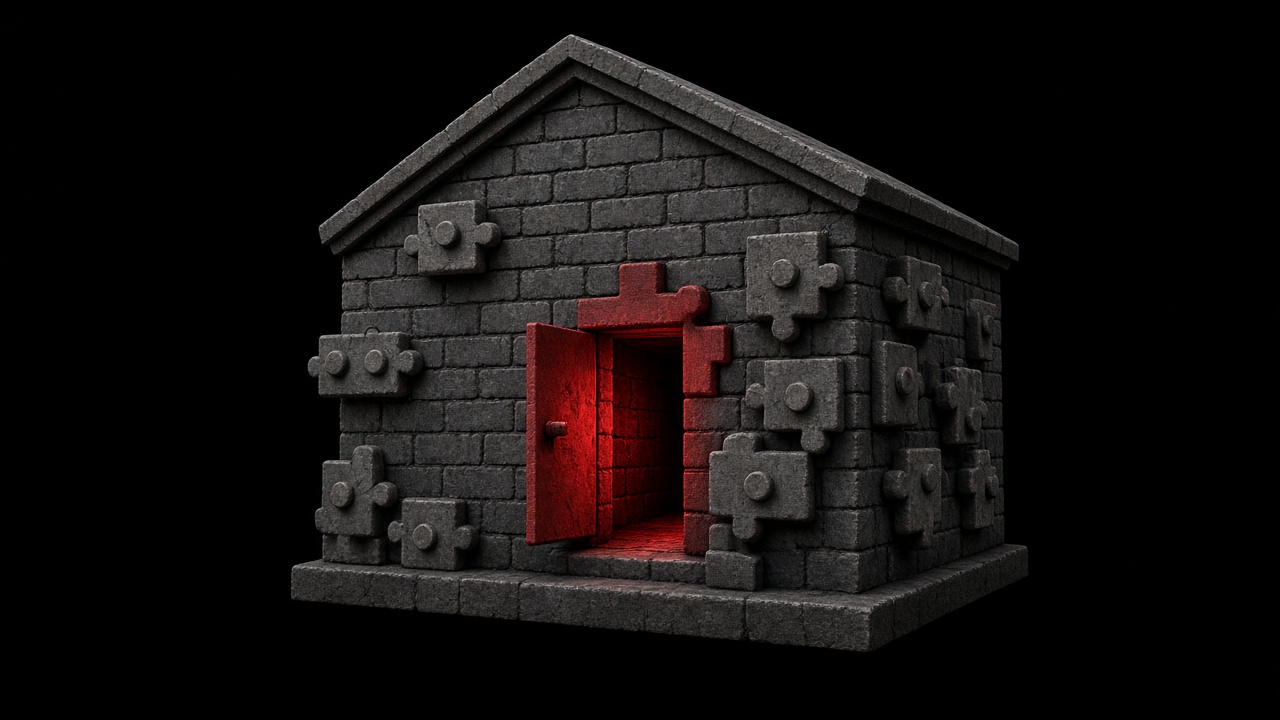
WordPress is insecure by design. Every plugin is a potential backdoor.
WordPress runs a huge share of the web, and for good reasons: it is free, familiar, and there is a plugin for everything. But that last point is also its biggest weakness.
There is no permission system for plugins
When you install an app on your phone, it has to ask before it can read your contacts or use your camera. WordPress plugins do not ask for anything.
A WordPress plugin is PHP code loaded into the same process as the rest of your site. That means every plugin can do anything WordPress itself can do:
- Read and modify every row in your database, including users and password hashes
- Create new administrator accounts
- Read your configuration file, including your database credentials and secret keys
- Write files to your server and change other plugins or themes
- Send your data anywhere on the internet
There is no sandbox and no "this plugin only needs access to the contact form" setting. A contact form plugin, a slider, a cookie banner: they all get the keys to the whole house.
One bad plugin is all it takes
The average WordPress site runs many plugins, often from small developers or abandoned projects. Each one is a door into your site:
- A vulnerable plugin with one unpatched bug can expose the entire site, not just the feature it adds.
- An abandoned plugin never receives security fixes, but keeps running with full access.
- A compromised plugin can be sold to a new owner or have its update channel hijacked, and the next "update" ships malicious code straight to every site using it.
This is why most reported WordPress security issues come from plugins rather than WordPress core. The core team does solid work, but the architecture gives every extension the same power as the core.
It is also slow, and slowness costs money
The same design that makes WordPress flexible makes it heavy. On every page view, a typical WordPress site:
- Boots PHP and loads WordPress core
- Loads every active plugin and the theme
- Runs a series of database queries to assemble the page
- Renders the HTML from scratch
Plugins add their own scripts, styles and queries to pages that do not even use them. To keep things usable, you end up stacking caching plugins, CDNs and bigger servers on top. You pay for a larger server to render a page that, for most showcase sites, barely changes from one week to the next.
A slow site also costs you directly: visitors leave, and search engines rank slower pages lower.
And it runs on PHP
WordPress inherits every risk of the PHP version it runs on. Older PHP versions stop receiving security fixes, and AI tools are making flaws in legacy code faster to find than ever. Many WordPress sites cannot simply upgrade PHP, because an old theme or plugin breaks when they do.
What a modern alternative looks like
For most business websites, you do not need a database query on every visit or fifty plugins with root-level access. A modern stack can:
- Prerender pages so visitors get static, instant HTML from the edge
- Keep the attack surface tiny, with no public admin login on the same server as your site
- Give each integration only the access it needs
- Run on free or very cheap hosting, because there is no heavy server to keep alive
That is exactly why we built gitbase, our lightweight alternative to WordPress for showcase websites.
Should you leave WordPress?
If your site is a simple showcase or marketing site, and especially if it runs old plugins or an old PHP version, the answer is very likely yes. You will get a site that is faster, cheaper to host and far harder to break into.
Use Refactor Website on our homepage, enter your current URL, and we will send you a quote for the migration.